Why a buried oil tank stops a Shirley sale
The median house in Shirley sold for $549,990 and took about 43 days to go under contract, then another 45 to 60 days waiting on the buyer's mortgage. That is 88 to 103 days in total, for a house that was ready to show on day one. That is the ordinary path, and an oil tank in the ground tends to interrupt it.
The problem is not really the steel. It is liability. A buyer's attorney sees an unremoved oil tank and thinks about what happens if it leaked, because whoever owns the property afterward inherits that question. Lenders are no keener on an unresolved environmental item sitting against their collateral. So the contract stalls while everyone works out who is paying to find out, and a stalled Shirley contract has a way of never restarting.
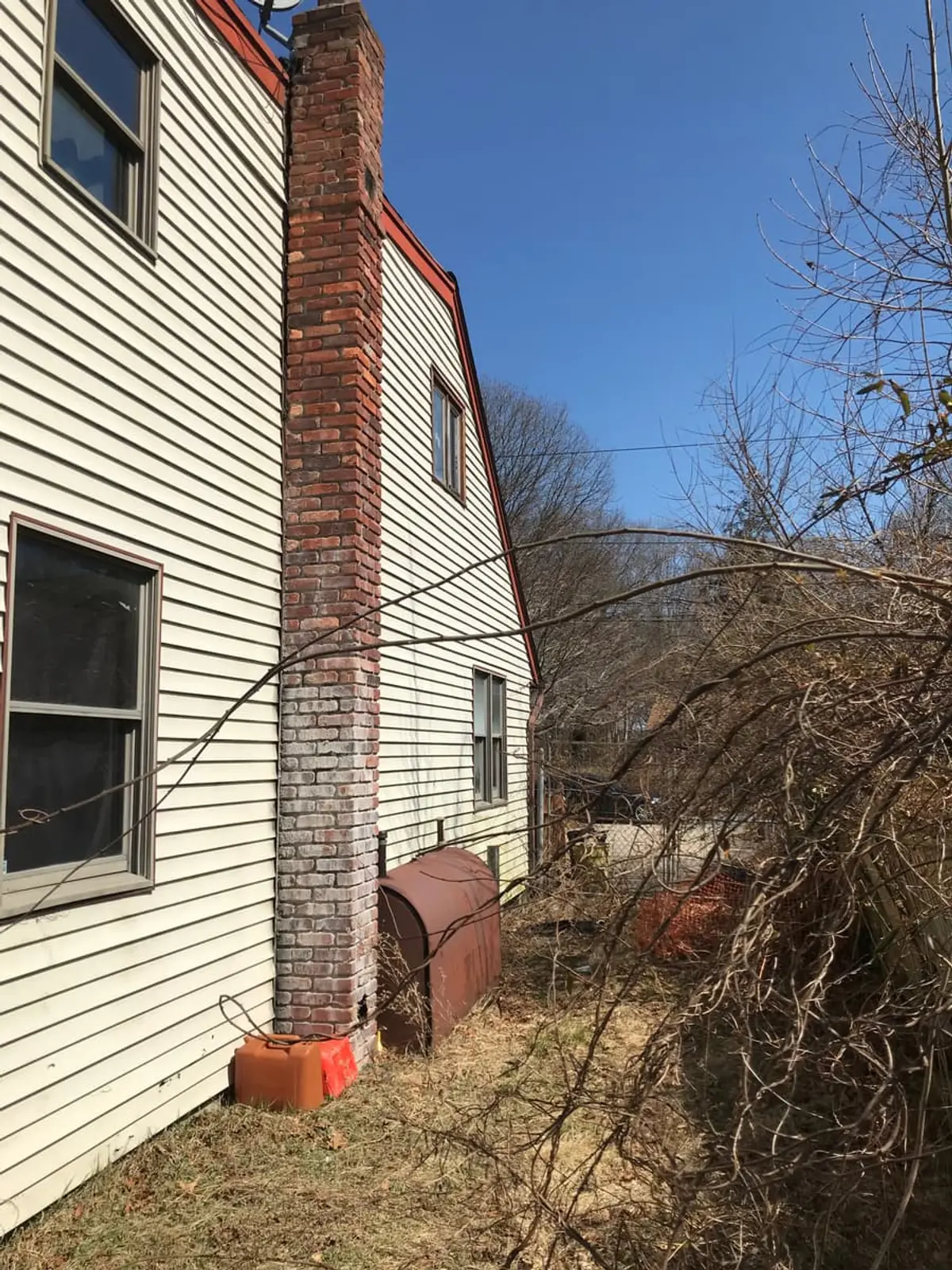
What we take on with a buried oil tank, and who we call
The most useful thing we can give somebody with a buried oil tank is proportion. Owners get quoted alarming figures, buyers imagine worse, and nobody in the transaction actually knows what is under the lawn.
We have bought and remediated enough of these to have a view. The age of the house, where the fill pipe and vent sat, how the conversion to gas was handled, what similar Shirley properties have turned up when the excavator arrived. Tell us what you know about the oil tank, even if that is almost nothing, and we will tell you plainly what usually happens next.
Why local knowledge changes the number
A house on Johns Neck Road. A house on Seymour Drive. Both in Shirley, bought and paid for by us.
Shirley is roughly 26,360 people in Suffolk County, ZIP 11967, and the housing stock is mostly ranch, cape cod, hi-ranch. Around William Floyd Parkway and the Smith Point Bridge, most of it is old enough that the mechanicals are on their second or third life. The Mastic-Shirley stop pulls buyers who commute, which supports the good houses and does very little for the ones that need a roof. We have been buying across Suffolk County for 15+ years. We know what the William Floyd Union Free School District does to a resale price, which blocks still have oil tanks in the ground, and what a house like yours is actually worth here.
Why removing the oil tank first is the expensive order
If the oil tank has already been tested, bring the paperwork and it saves a conversation. If it has not, do not commission anything on our behalf.
A test tells you whether product has reached the soil. That is genuinely useful if you intend to list on the open market, because a clean result is something a retail buyer can hold on to. It is not something we need before making an offer, because we are buying the tank and the ground it sits in either way.
If the oil tank leaked, this is still a sale
The worst case with a buried oil tank is that product got out and traveled, and then you are dealing with soil rather than steel. It is a real scenario and it is why buyers get nervous.
We price for it. Our offers on tank houses assume the oil tank is a live question rather than a formality, which is why our number tends to hold once we have given it. If the excavation turns out clean, that is our upside. We would rather carry that risk than hand it back to you halfway through a closing.
What the two paths cost in Shirley
These are the two routes open to you with a house with a buried oil tank, priced against what Shirley houses actually sell for.
Work it against Shirley's own numbers. The median sale here is $549,990. A 5% commission on that is $27,500, and seller closing costs of about 2% add roughly $11,000. Those are costs we can cover on our side. That is $38,499 gone before anyone counts the repairs it took to get the house listable.
There are two waits in a listed sale and people usually only count the first. In Shirley the median house takes about 43 days to go from listed to a signed contract. Then it waits again, typically 45 to 60 days, while the buyer's lender orders an appraisal and underwrites the loan. Call it 88 to 103 days from sign to keys, assuming nothing goes wrong.
The part worth understanding is what a signed contract actually guarantees, which is less than most sellers assume. A retail buyer with a mortgage contingency can walk away right up to the end. If they do not qualify, if the appraisal comes in under the price, if they change their mind and let the financing lapse. A share of deals die exactly there, after months of waiting, and the house goes back on the market with time on it. We are not borrowing anything, so there is no lender to satisfy, no appraisal to come in low and no contingency to exercise.
| Listing with an agent | Selling to us | |
|---|---|---|
| Sale price | $549,990 (Shirley median) | Our written offer |
| Commission | −$27,500 | None |
| Seller closing costs | −$11,000 | We can cover them |
| Repairs before listing | Out of pocket | None |
| Cleanout | Yours | Ours |
| Showings | Until it sells | One visit |
| Listed to signed contract | 43 days (Shirley median, once listable) | 24 hours to a written offer |
| Contract to closing | 45 to 60 days (waiting on the buyer's lender) | A date you choose |
| Total wait | 88 to 103 days if nothing falls through | Yours to set |
| Can the buyer walk? | Yes (mortgage contingency runs to the end) | No financing to fall through |
| Before repairs and carrying | $511,491 | The number we put in writing |
For the listing side we have used a 5% commission and about 2% in seller closing costs; your real figures may differ. Repairs and carrying costs are left out because they depend on the house. If yours is in good shape, a good agent may well get you more than we would, and we will tell you if so.
Closing on a Shirley house with the oil tank in the ground
A listed sale with an oil tank in the picture acquires a second schedule of its own. The test gets booked, the results come back, the attorneys argue about what they mean, and if anything is found the negotiation restarts from the beginning.
With us it is one visit and a written number. The oil tank does not add a week, because we are not asking anyone's permission to buy a Shirley house that has one. You pick the closing date and we work to it.
What you do not pay when you sell a house with a buried oil tank
Listing a house with a buried oil tank the usual way brings each of these costs with it. Selling to us brings none of them.
- Agent commission
- $27,500 at 5% of the Shirley median none
- Seller closing costs
- About $11,000 on a $549,990 sale. We can cover these. none
- Repairs to make it listable
- Whatever it takes to make it listable, paid in advance none
- Cleanout and removal
- Per truckload, before anyone views it none
- Carrying costs while it waits
- Taxes, insurance and utilities through the 88 to 103 days a listing takes to sell and close none
Telling us everything, and what you owe a buyer
New York has disclosure obligations for sellers, and what applies to your situation is a legal question. Ask your attorney about the oil tank before you sell to anyone, ourselves included.
Separately from that: tell us. Nothing you say about the tank will make us withdraw, and everything you say makes the number more accurate the first time. The sales that fall apart are the ones built on incomplete information, and that serves nobody.
Common questions
Do I have to remove the oil tank before you buy a Shirley house?
Not at all. No removal, no test, no soil work. The oil tank is priced into the offer, and the offer does not move afterward.
How do I know whether there is still an oil tank buried in my yard?
Houses built in the oil era and later converted to gas are the usual candidates. If you are not sure, we can tell a good deal from a walk around the property, and a sweep by a tank contractor answers it either way.
What if the oil tank leaked?
Then the job is bigger, because the soil is involved as well as the steel. It changes our number rather than our willingness. We have bought houses in exactly that situation and closed them.
A buyer walked away over the oil tank. Does that hurt my chances with you?
Not in the slightest, and it is a common way people arrive at this conversation. A retail buyer walking over an oil tank tells us something about that buyer, not about your house.
Does the oil tank change what you can pay?
Yes, in the way any repair does. Because we use contractors we have worked with for years, the deduction is usually smaller than the quotes homeowners are handed when they call around Shirley themselves.